Severe weather can turn a safe, comfortable home into a stressful construction project overnight. High winds, hail, fallen trees, and heavy rainfall can damage roofs, siding, windows, structural components, and interior finishes. Choosing the wrong contractor can make an already difficult situation worse, leading to incomplete repairs, unexpected expenses, and recurring problems. Understanding how to select a qualified construction professional can help homeowners protect their investment, restore their property, and move forward with confidence.
storm damage recovery experts
D&D Village Construction gathered information about severe storm damage recovery experts to help homeowners understand the information about severe storm damage recovery experts to help homeowners understand why hiring a competent, properly licensed contractor after damaging weather is so crucial. This guide explains how storms affect residential properties, what steps to take after a storm, how to evaluate contractors, and why professional assessments and quality workmanship matter when restoring a home. Knowing what to expect can help property owners make informed decisions and avoid preventable repair complications.
Key Takeaways for Severe Storm Damage Recovery Experts
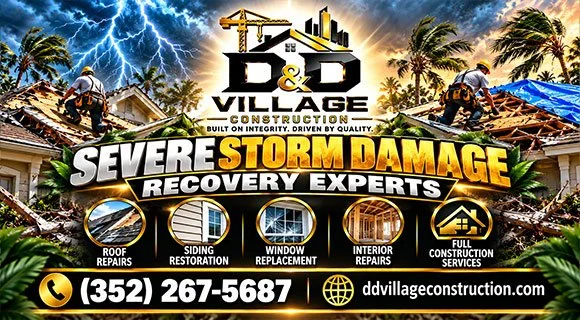
storm damage recovery experts infographic
Prioritize safety before beginning repairs. Stay away from unstable structures, exposed wiring, downed power lines, gas leaks, and areas where ceilings or walls may collapse. Contact emergency services or the appropriate utility provider when immediate hazards exist. Do not enter damaged areas until they have been evaluated when structural safety is uncertain.
Document storm damage promptly. Photograph damaged roofing, broken windows, fallen trees, damaged siding, and interior water intrusion. Keep written notes, contractor estimates, receipts, and records showing temporary protection measures. Contact your insurance company promptly and follow its requirements for documenting damage and submitting a claim.
Hire a competent, appropriately licensed contractor. Verify applicable state or local licensing requirements, insurance coverage, references, relevant experience, and the contractor's ability to perform the proposed work. Licensing requirements vary by trade and project location, so confirm which credentials apply before signing an agreement.
Obtain a detailed written estimate. A professional proposal should identify the work being performed, materials, expected schedule, payment terms, cleanup responsibilities, and applicable warranties. Clarify how hidden damage, change orders, and additional repairs will be handled before construction begins.
Address water intrusion quickly. Damaged roofs, windows, doors, and exterior walls can allow moisture to spread into insulation, framing, ceilings, and flooring. Prompt temporary protection and appropriate drying measures can help limit additional damage while permanent repairs are organized.
Understand the insurance process. Review your policy, deductible, coverage limits, exclusions, and claim deadlines. Your insurer determines coverage under the applicable policy, while your contractor evaluates damage and performs agreed repairs. Don’t assume that every storm-related repair will be covered or that a contractor can guarantee an insurance payment.
Choose repairs based on evidence. A reliable contractor should explain why a repair or replacement is necessary and provide a clear scope of work. Be cautious when someone pressures you to sign immediately, demands unusual payment arrangements, or recommends extensive reconstruction without explaining the observed damage.
Coordinate related trades. Storm recovery may involve roofing professionals, tree services, electricians, plumbers, and general construction contractors. Make sure responsibilities are clearly assigned and that work requiring specialized licensing is performed by appropriately qualified professionals.
Inspect completed work. Review repairs against the written agreement, confirm that debris has been removed, and request relevant warranty information, permits, inspection records, and final documentation when applicable. Address unresolved concerns before treating the project as complete.
Prepare for future severe weather. After restoration, establish a maintenance schedule for roofing, drainage, windows, siding, and other vulnerable building components. Regular inspections and timely repairs may identify developing problems before the next storm arrives.
A successful restoration project combines immediate safety measures, accurate documentation, qualified contractors, and clear communication. Homeowners who understand these priorities are better positioned to make repair decisions, control preventable complications, and restore their properties with greater confidence.
How Severe Storms Damage Residential Properties
Severe weather can affect homes in several ways. High winds can lift shingles, damage roof edges, loosen siding, break windows, and dislodge exterior components. Hail can damage roofing materials, gutters, skylights, and other exposed surfaces. Heavy rainfall can enter through compromised roofing systems or openings around windows and doors, damaging ceilings, walls, insulation, flooring, and personal belongings.
Fallen trees and branches create additional hazards. A large limb can puncture a roof, damage a porch, break windows, or compromise structural components. Uprooted trees may destroy fences, driveways, and other landscape features. When electrical infrastructure is affected, downed lines and damaged equipment can introduce serious safety risks.
Some storm damage is immediately visible, while other problems remain concealed. Water may travel through wall cavities, collect beneath flooring, or saturate insulation without producing obvious signs right away. Wind can also damage flashing, roof seams, and other components that are difficult to evaluate from the ground.
Leaving these problems unresolved can allow deterioration to continue. Persistent moisture can damage building materials and create conditions favorable to microbial growth. Openings in the exterior envelope can allow rainwater, pests, and debris into the building. Damaged structural components may also trigger temporary occupancy restrictions until a qualified professional determines the home is safe.
A thorough recovery process begins with a professional assessment, followed by appropriate temporary protection, a defined repair plan, and careful execution. The exact scope depends on the home's construction, the severity of damage, applicable building codes, and any requirements established by the relevant authorities.
What to Do After Severe Storm Damage

storm damage recovery and room addition experts
Once immediate hazards have passed, homeowners should take several practical steps before permanent construction begins.
Secure people and property. Keep family members and pets away from downed power lines, unstable trees, damaged electrical systems, and compromised structures. Contact emergency services when necessary. Do not attempt dangerous roof work or remove large limbs yourself.
Document visible damage. Take photographs and videos from safe locations. Record the date, affected areas, and any preventive measures taken. Keep receipts for emergency tarping, board-up services, water removal, and other necessary measures.
Notify your insurance company. Report the damage promptly and ask about required inspections, documentation, deadlines, and approval procedures. Review your policy carefully, since coverage depends on its specific terms and conditions.
Arrange a professional inspection. Depending on the damage, you may need a general contractor, roofing professional, structural engineer, electrician, plumber, or qualified tree specialist. A general contractor can help coordinate construction work, and specialized assessments may be necessary when structural integrity or regulated systems are involved.
Obtain a written repair proposal. Ask the contractor to identify damaged components, recommended repairs, materials, estimated costs, and anticipated scheduling. Clarify whether permits, subcontractors, debris removal, and inspections are included.
Monitor the project. Maintain clear communication with your contractor and document significant decisions. Ask for written approval before significant changes to the original scope or budget.
These steps help homeowners establish a clear recovery plan and reduce uncertainty during a demanding period.
Why Hiring a Licensed Contractor Matters
Storm restoration often involves work that directly affects a home's structural integrity, weather resistance, and safety. A contractor must understand applicable construction standards, material installation requirements, local permitting rules, and the correct sequence for completing repairs.
Licensing provides an important way to verify whether a contractor meets applicable requirements for a particular type of work. However, licensing rules differ by location and trade. Homeowners should confirm credentials with the relevant state or local licensing authority rather than assuming every contractor requires the same license.
Insurance is equally important. Ask for evidence of appropriate general liability coverage and workers' compensation coverage where required. These protections can help address certain risks associated with construction work. Also request references, examples of comparable projects, and information about who will supervise the work.
A qualified contractor should explain the proposed repairs in understandable terms. For example, replacing damaged drywall without addressing the source of a roof leak can leave the underlying problem unresolved. Similarly, installing new exterior materials without correcting damaged framing or inadequate flashing can cause recurring issues.
Avoid contractors who promise guaranteed insurance approval, pressure you to sign immediately, or request full payment before work begins without a clear contractual basis. Compare written estimates carefully rather than selecting a contractor solely because the initial price is lowest.
Hire D&D Village Construction for Storm Damage Repairs
central florida storm damage recovery experts
When severe weather damages your home in The Villages or surrounding Central Florida communities, you need a dependable construction partner who understands the importance of timely repairs, quality workmanship, and clear communication. D&D Village Construction helps homeowners address construction and property improvement needs, making the company a resource to consider when storm damage requires professional repairs.
Whether your property needs damaged building components repaired, exterior features restored, or broader construction work after a storm, D&D Village Construction can discuss your project and help determine appropriate next steps. Acting promptly is crucial because damaged siding, broken windows, compromised exterior components, and openings around the building can allow moisture into your home and increase repair costs.
Before hiring a contractor, confirm that its qualifications, insurance, licensing, and experience match your specific project. D&D Village Construction can review your construction needs, explain the proposed scope of work, and provide information about available services. Homeowners should request a written estimate that identifies materials, labor, anticipated scheduling, cleanup responsibilities, and applicable warranties. Address any required permits and inspections before work begins.
For homeowners in The Villages and surrounding Central Florida communities, recovery begins when you contact D&D Village Construction directly.
Visit https://www.ddvillageconstruction.com/ or call 352-267-5687 to discuss your storm damage repair project and request information about available services.
Prevent minor damage from becoming a more significant problem. If your home has sustained storm damage, document the affected areas, contact your insurance company when appropriate, and arrange a professional assessment. Choosing a qualified construction contractor and establishing a clear repair plan can help restore your property, protect its value, and get your household back to normal.
Restore Your Home With Confidence
Recovery from severe storm damage requires homeowners to prioritize safety, document losses, understand insurance procedures, and hire qualified professionals to complete necessary repairs. A careful contractor selection process, a detailed written scope, and coordination among specialized trades can help ensure that visible damage and underlying problems receive proper attention.
These steps can help homeowners restore their properties more efficiently, reduce avoidable complications, and protect their investment over the long term. Professional workmanship, clear communication, and appropriate inspections can provide greater confidence that repairs address the actual damage rather than covering up the symptoms.
Ignoring storm damage or hiring an unsuitable contractor can lead to incomplete repairs, recurring leaks, additional structural deterioration, unexpected expenses, and prolonged disruption. Unresolved safety hazards may also put occupants at risk. By responding promptly and selecting a competent contractor whose qualifications match the project, homeowners can establish a stronger foundation for recovery and prepare their properties for future severe weather.
Wildwood, FL 34785
(352) 267-5687